Carnival Cuts Australian Fleet in Half: Why Cruises Are Struggling
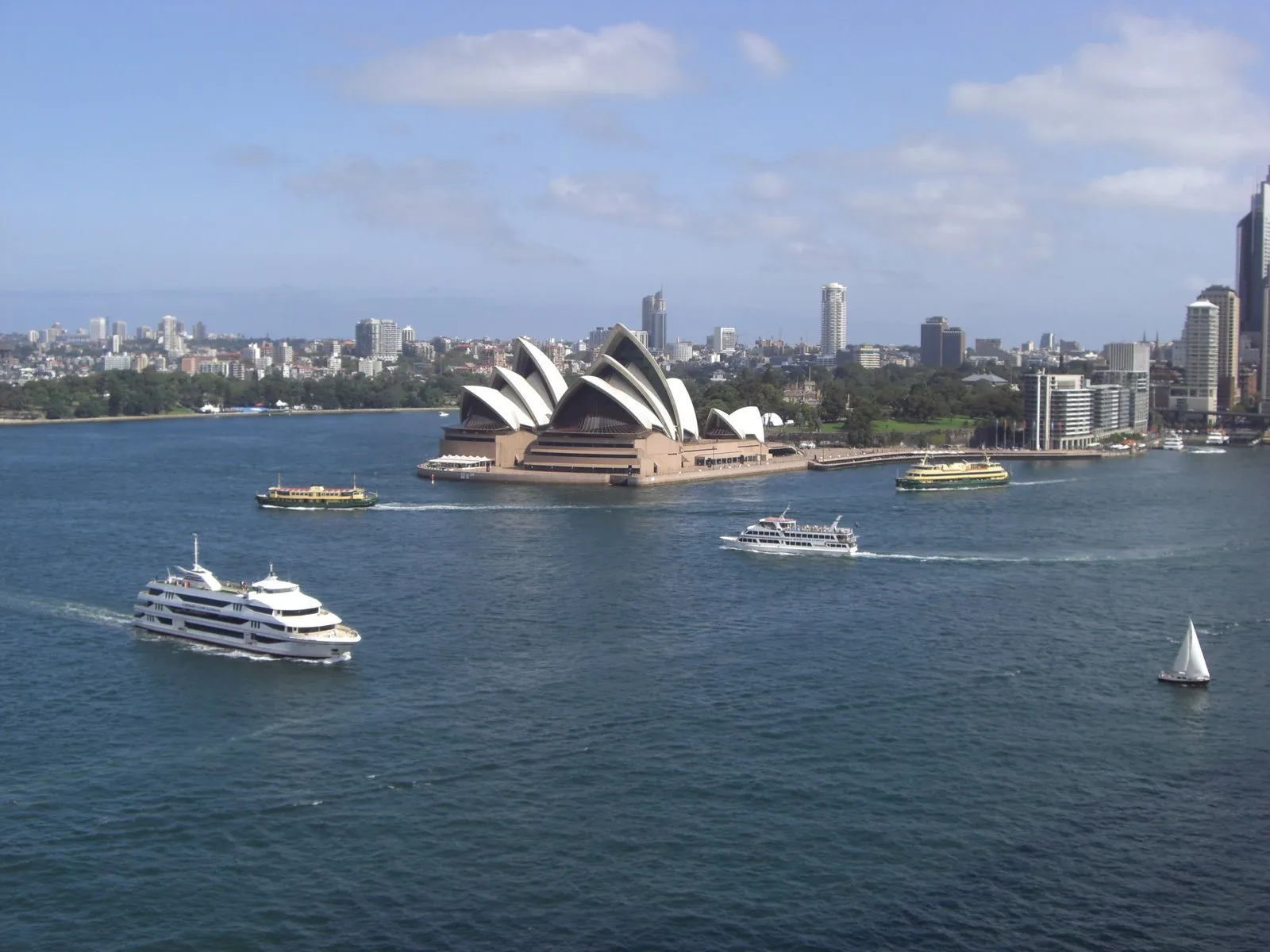
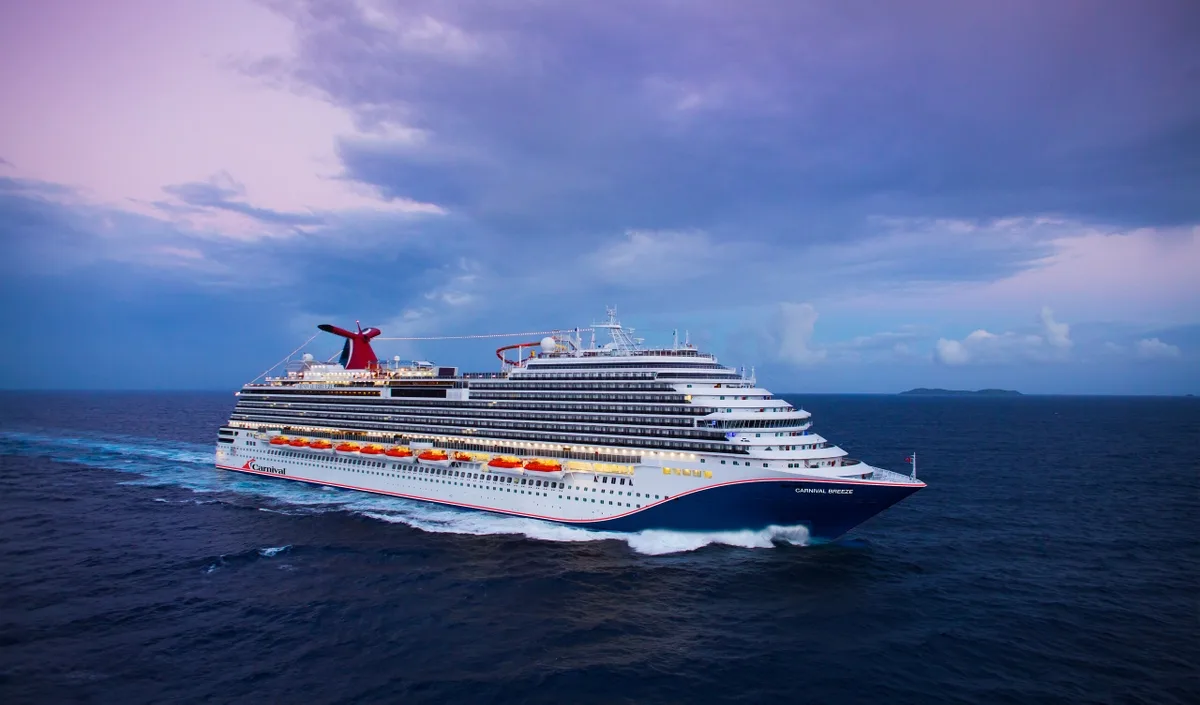
Australia's largest cruise line is cutting its local fleet in half. Carnival Cruise Line announced on October 15, 2026, that the Carnival Luminosa and Carnival Adventure will leave the Australian market in March 2028. According to Travel Weekly, the Luminosa will set sail from Sydney one last time on March 15, 2028, and the Adventure on March 20, 2028. After that, only two Carnival ships will remain permanently based in Australia: the Carnival Splendor in Sydney and the Carnival Encounter in Brisbane.
What Carnival Has Decided
The departure of the Adventure is not a complete surprise. In February, Carnival had announced plans to relocate the ship to North America from April 2028, though it was originally intended to return to Australia seasonally. That seasonal return has now been canceled. According to Travel Weekly, the Luminosa had been sailing seasonally out of Brisbane since the cruising restart in 2022, spending about six months a year there, according to Cruise Passenger.
Carnival attributes the decision to long-term fleet planning: ships are deployed years in advance, and other markets currently offer better conditions. The cruise line specifically pointed to the uncertain regulatory environment in Australia and New Zealand. Country Manager Peter Little noted that Carnival is the only cruise line with ships homeported in Australia year-round, making it far more vulnerable to local policy changes than lines that only visit during peak season. Carnival plans to unveil its 2028/29 program for the Splendor and Encounter in the coming weeks. Until March 2028, both departing ships will continue to sail as planned, including itineraries to Vanuatu, New Caledonia, and Papua New Guinea.
The Stumbling Block: An Exemption with an Expiration Date
At the center of the issue is a piece of legislation that initially has little to do with vacations: the Coastal Trading Act. It regulates who is allowed to carry passengers and cargo between Australian ports. Foreign-flagged cruise ships require a special exemption to do so. The federal government extended this exemption in early October through December 31, 2028—calling it the final one of its kind. What happens after that is supposed to be governed by a new licensing system that does not yet exist. New rules starting in 2027 will also aim to protect ship crews, requiring that onboard employment contracts do not restrict collective bargaining rights.
According to Cruise Passenger, industry association CLIA Australasia had pushed for an extension of at least five years. Two years offers very little notice for an industry that schedules its ships years ahead. Little called the extension a welcome, albeit temporary, step. Opposition politician Bridget McKenzie accused the government of catering to the maritime union; a government spokesperson acknowledged high operational costs and promised further discussions with the cruise lines.
More Expensive Than the Competition
Then there are the costs. Industry insiders like Brad Kennedy from the travel agency Cruiseabout rank Australia's port fees among the highest in the world. On January 1, 2027, the Passenger Movement Charge, levied on every traveler departing the country—including cruise passengers on international itineraries—is set to increase. It will jump by 10 to 80 Australian dollars. CLIA Australasia called this another blow to global competitiveness.
Border protection and biosecurity also play a major role. As a rule, foreign ships may only call at ports designated as a First Point of Entry, where they must be cleared before guests can enjoy time ashore. Australian authorities classify cruise ships as a high biosecurity risk. This strictly limits where an overseas vessel can dock first, complicating route planning. The approvals for these entry ports are set to be reviewed soon.
An Industry in Reverse
Carnival's decision hits a market that is already contracting. According to a report commissioned by CLIA Australasia and the Australian Cruise Association, cruising contributed 7.32 billion Australian dollars to the country's economy in the 2024/25 financial year—a drop of 1.11 billion or 13.2 percent compared to the record year before. The main reason cited by CLIA: fewer ships visited. At the same time, more Australians went on cruises than ever before, around 1.45 million. The demand is clearly there, but local capacity is shrinking. Speaking at the Australian Cruise Association conference in Brisbane in September, CLIA Chief Executive Bud Darr warned that Australia is missing out on economic opportunities, to the detriment of local farmers, food producers, hotels, and shore excursion providers.
The list of withdrawals is long. In 2024, Carnival retired the long-standing P&O Cruises Australia brand; its ships have been sailing under the Carnival brand since March 2025, while the Pacific Explorer was taken out of service. At the time, the company cited the South Pacific's small population and significantly higher operating and regulatory costs. Australian media also report that Virgin Voyages canceled its 2024/25 season after just one year, and Cunard has stopped homeporting ships in Australia as of 2025/26. Cruise Passenger estimates the overall loss in capacity since the 2023/24 season at around 35 percent; Carnival's latest move alone accounts for a drop of roughly 200,000 passenger seats a year.
A Ship with Australian History
Industry consultant Jason Gelineau pointed out a unique detail on LinkedIn: the Carnival Adventure is deeply familiar to many Australian cruisers. She originally entered service in 2001 as the Golden Princess, later sailed as the Pacific Adventure for P&O Cruises Australia, and joined Carnival in 2025. Gelineau questioned how the ship, with its distinct layout, resonates in a market where guests expect a classic Carnival experience. He noted that he heard similar concerns from cruise lines regarding costs, bureaucracy, and immigration rules at the Seatrade Cruise Med trade fair in Las Palmas. He urged the federal government to work with the industry to find faster solutions.
What This Means for Cruise Passengers
For cruisers in Australia, this mainly means fewer affordable sailings departing right from their doorstep. Cruise Passenger notes that a 10-night South Pacific voyage on the Adventure in November 2027 starts at around 1,223 Australian dollars per person, compared to a similar itinerary with Royal Caribbean starting at roughly 2,000 dollars. If you still want to cruise on the Luminosa or the Adventure before March 2028, you can—Carnival is actively encouraging bookings over the next 18 months.
Travelers heading to Australia from Europe will still have plenty of choices: according to Australian media, around 25 cruise lines will operate there during the summer season. However, significantly fewer ships will be based in Australia year-round after March 2028. Whether that changes again depends on the upcoming licensing system—and whether the government gives cruise lines the long-term certainty they need by the end of 2028.
In this article
Live on the ship map
Where the ships are right now – via AIS, whenever they are in range of a shore station.
Sources
- Travel Weekly: Carnival Luminosa and Carnival Adventure pulled from Australian market by March 2028
- Cruise Passenger: Carnival pulls two ships from Australian fleet
- Australische Regierung (Minister for Infrastructure): Updated cruise exemption to strengthen seafarer protections
- Travel Monitor: CLIA warns Australia losing $1.1 billion in cruise economic contribution
- Cruise News: CLIA urges action as Australia, New Zealand lose cruise ships
- Cruise Passenger: Passenger Movement Charge increase a blow to cruise tourism
- Australisches Landwirtschaftsministerium: First point of entry and non-first point of entry
- AAP: P&O Cruises sets sail into sunset after 90-year voyage
- Canberra Times: Australia's cruise exodus – why lines are leaving our waters